


Moving homes doesn’t have to feel chaotic or overwhelming. With the right packing strategies, you can protect your belongings, save time, and make unpacking far easier. Whether you’re relocating across town or to another city, these smart packing hacks are practical, budget-friendly, and proven to work in real-life moves.
A professional atlanta moving company offers comprehensive relocation services designed to meet different moving requirements. From carefully packing household items to coordinating transportation schedules, experienced movers manage every detail. Their commitment to efficiency and customer care helps ensure a smooth transition into a new residence or workspace.
Start With a Clear Packing Plan
Before taping a single box, take time to plan. A little preparation prevents last-minute stress and damaged items.
Smart planning tips:
- Create a room-by-room packing checklist
- Set realistic daily packing goals
- Pack non-essential items first and essentials last
- Keep a dedicated “open-first” box for each room
A structured approach keeps everything under control and reduces forgotten items.
Declutter Before You Pack
Packing items you no longer use wastes time, space, and money. Moving is the perfect opportunity to simplify your life.
Decluttering hacks:
- Donate clothes you haven’t worn in a year
- Sell unused electronics or furniture
- Recycle old paperwork and broken items
- Separate items into keep, donate, discard piles
Less clutter means fewer boxes and a smoother move.
Use Household Items as Packing Materials
You don’t need expensive supplies to protect your belongings. Many items already in your home work just as well.
Creative packing alternatives:
- Towels and blankets for fragile items
- Socks to protect glassware
- Pillowcases for lamps and decor
- Plastic wrap to secure drawers and cords
This hack saves money and reduces waste.
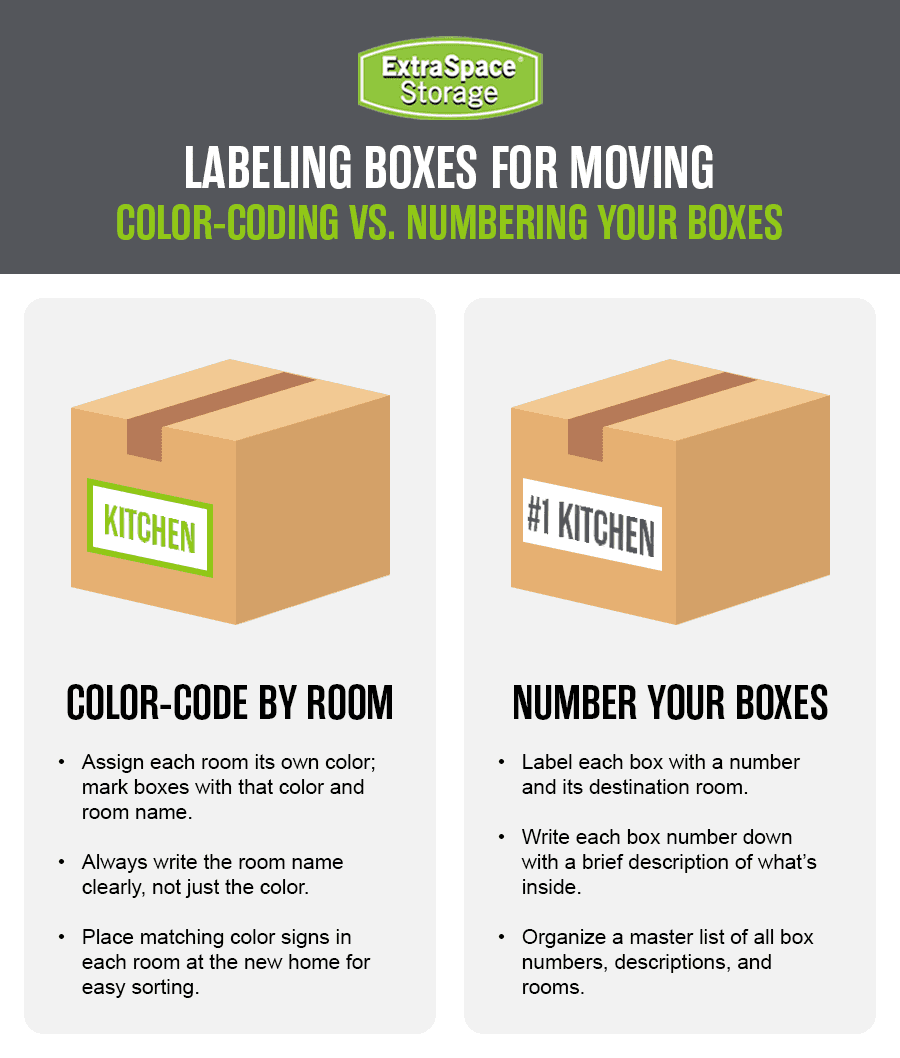
Label Boxes Like a Pro
Clear labeling speeds up unloading and makes unpacking stress-free.
Effective labeling methods:
- Write the room name and contents on multiple sides
- Use color-coded tape for each room
- Mark fragile boxes clearly
- Add “this side up” arrows when needed
The clearer the label, the easier the move.
Pack an Essentials Box for Moving Day
Your first night in a new home shouldn’t involve digging through boxes.
Essentials box ideas:
- Toiletries and medications
- Phone chargers and power strips
- Basic kitchen items
- A change of clothes
- Important documents
Keep this box with you instead of loading it onto the truck.
Pack Room by Room, Not Randomly
Mixing items from different rooms leads to confusion later. Staying organized now saves hours later.
Room-by-room benefits:
- Faster unpacking
- Fewer lost items
- Easier inventory tracking
- Clear priorities when unloading
Finish one room completely before starting another.
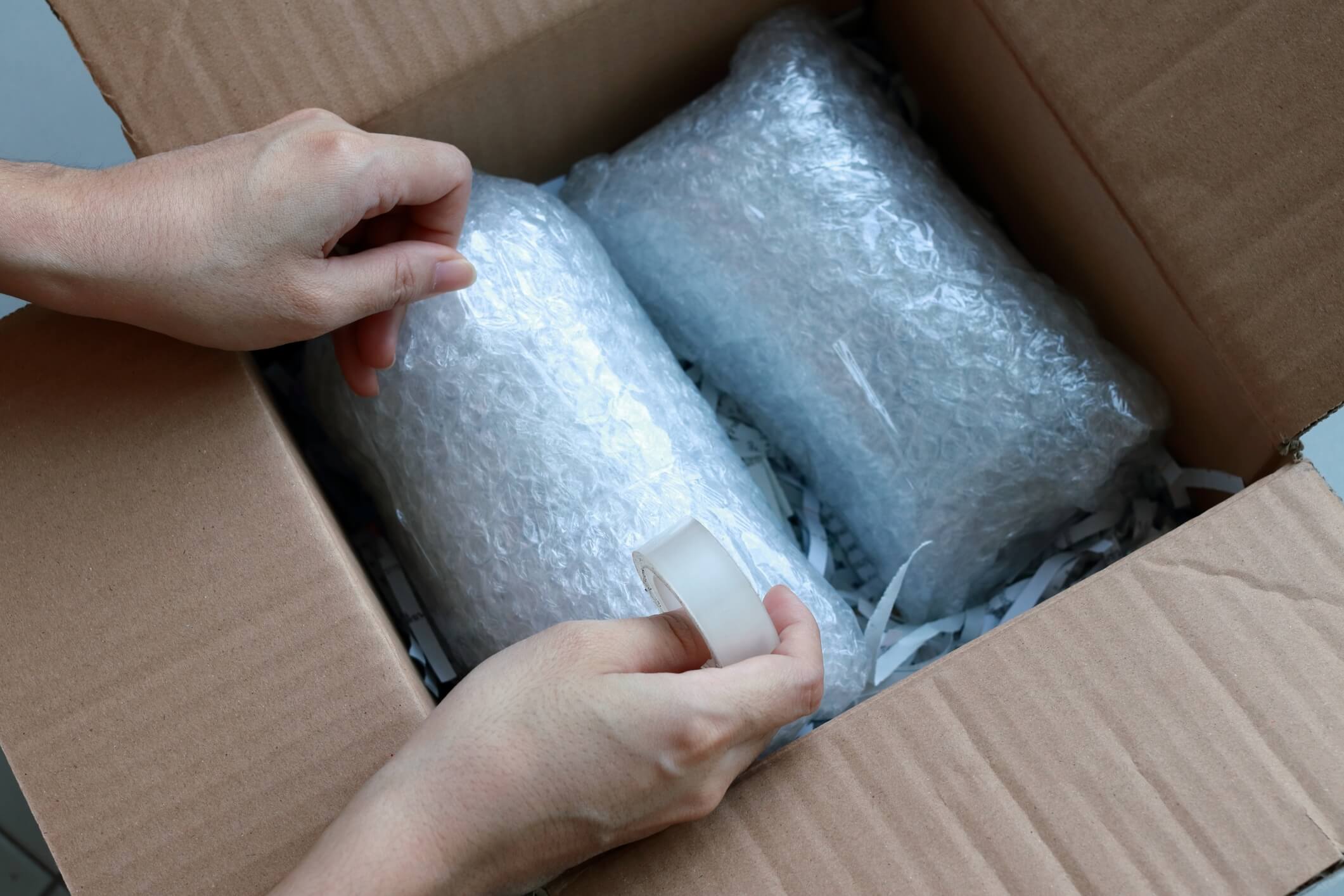
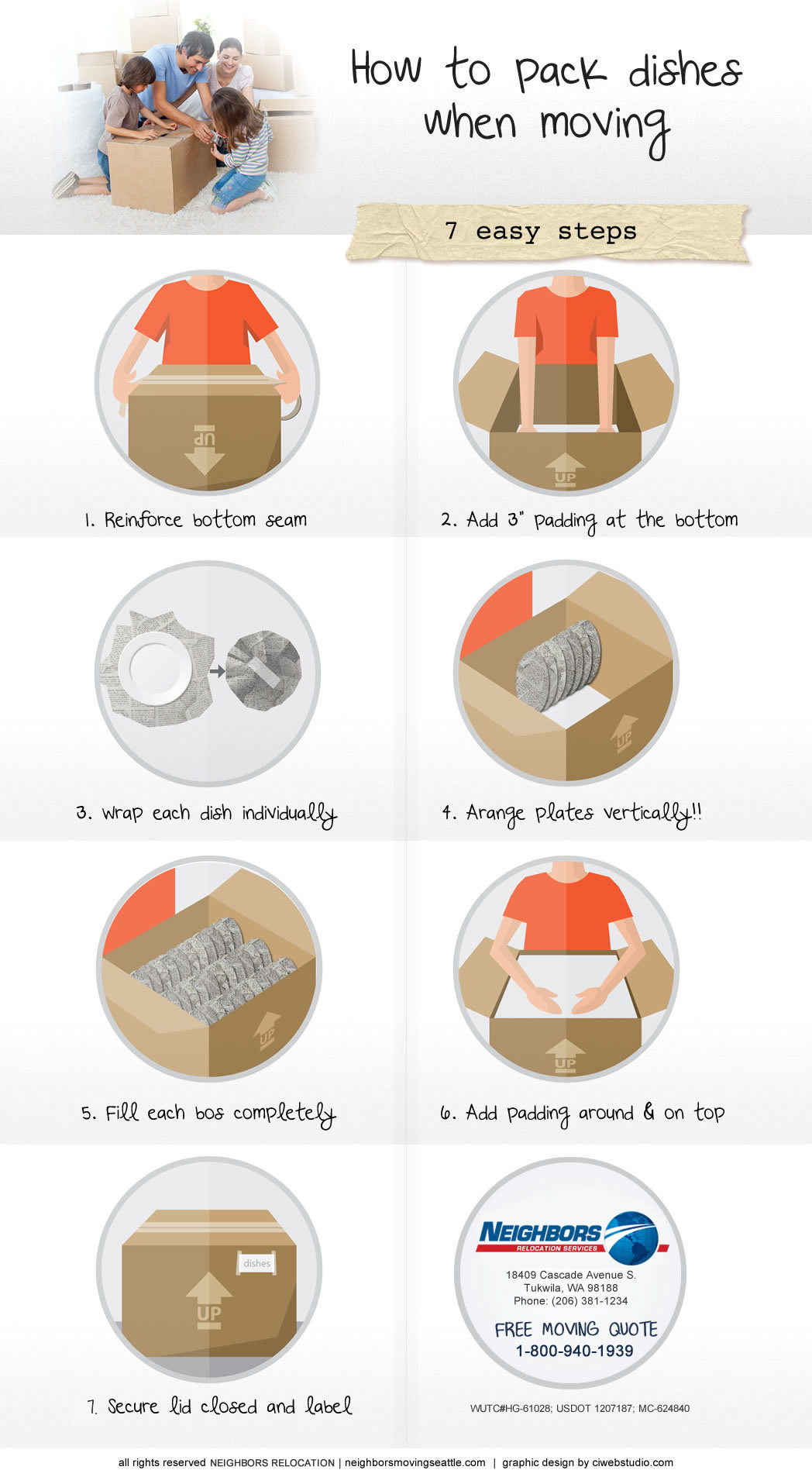
Protect Fragile Items the Smart Way
Fragile items need extra care, but that doesn’t mean extra expense.
Fragile packing tips:
- Wrap plates vertically instead of stacking flat
- Place heavier items at the bottom of boxes
- Fill empty spaces to prevent shifting
- Double-box extremely delicate valuables
A snug fit reduces breakage risk significantly.

Use Smaller Boxes for Heavy Items
Big boxes tempt you to overpack, which increases the risk of injury or box failure.
Best items for small boxes:
- Books
- Tools
- Canned goods
- Small appliances
Keep heavy boxes manageable and easy to lift.
Take Photos Before Disassembly
Before unplugging electronics or dismantling furniture, take quick photos.
Why this helps:
- Easier reassembly
- Correct cable connections
- Faster setup in your new home
A few seconds of preparation saves major frustration later.
Seal and Stack Boxes Strategically
How you close and stack boxes matters just as much as what’s inside them.
Smart stacking rules:
- Tape both the top and bottom seams
- Stack heavier boxes at the bottom
- Avoid overloading fragile boxes
- Keep similar-sized boxes together
Proper stacking prevents damage during transit.
Final Thoughts
Packing smart is about efficiency, not perfection. By planning ahead, using what you already own, and staying organized, you can turn a stressful move into a smooth transition. These smart packing hacks help protect your belongings, save money, and make settling into your new home far more enjoyable.
Frequently Asked Questions
1. How early should I start packing before moving?
Ideally, begin packing non-essential items 3–4 weeks before moving day to avoid last-minute stress.
2. What is the best way to pack fragile items without bubble wrap?
Use towels, blankets, clothing, and socks to cushion fragile items effectively.
3. Should I pack clothes in boxes or suitcases?
Suitcases are perfect for clothes, especially heavier garments, as they’re easier to roll and organize.
4. How do I keep track of all my moving boxes?
Create a numbered inventory list and label each box clearly with its contents and destination room.
5. Is it better to pack heavy items together or separately?
Pack heavy items separately in small boxes to prevent breakage and make lifting safer.
6. What should I not pack in moving boxes?
Avoid packing important documents, valuables, medications, and personal electronics in the moving truck.
7. How can I make unpacking faster after the move?
Unpack essentials first, follow your room labels, and focus on one space at a time to stay organized.