

Introduction
One of the biggest concerns during any move is making sure fragile belongings arrive safely at the new destination. Glassware, dishes, mirrors, artwork, decorative pieces, electronics, and sentimental family items can easily become damaged if they are not packed and handled correctly. Even a short move can result in broken items when proper precautions are not taken.
Fortunately, protecting fragile belongings does not have to be difficult. Careful planning, quality packing materials, and organized packing methods can greatly reduce the risk of damage. Professional movers also play an important role by using proven handling techniques and secure loading methods throughout the moving process.
Whether you are relocating across town or preparing for a long-distance move, this guide explains how to protect fragile items and work with a reliable moving company to ensure your valuable possessions reach your new home safely.
Start Preparing Early
Protecting delicate belongings begins long before moving day. Waiting until the last minute often leads to rushed packing, increasing the likelihood of broken items.
Begin by identifying everything in your home that requires extra care. Walk through each room and separate fragile belongings from general household items. This allows you to pack them carefully without mixing them with heavier objects.
Starting early also gives you enough time to gather quality packing materials before you begin.
Choose Strong Packing Materials
The materials you use have a direct impact on how well fragile items are protected during transportation.
Strong moving boxes provide better support than worn or damaged cartons. Boxes should be large enough to hold protective wrapping while remaining easy to carry.
Protective materials help absorb movement during transportation and reduce the chance of items striking one another inside the box.
Professional moving services often recommend using quality packing materials because they provide significantly better protection throughout the relocation.
Wrap Each Item Individually
One of the most common packing mistakes is placing multiple fragile items together without wrapping them separately.
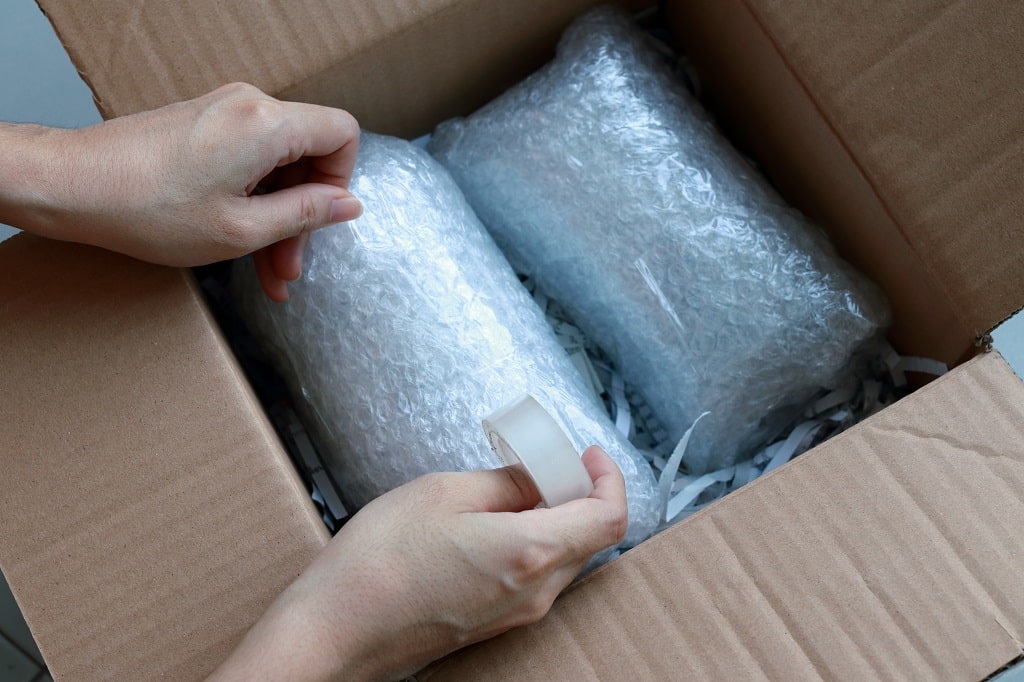
Every delicate item should be wrapped individually before being placed inside a moving box. This creates a protective layer that reduces direct contact between objects during transportation.
Pay extra attention to glassware, dishes, ceramic decorations, picture frames, and collectibles. Taking additional time during packing can prevent costly damage later.
Experienced movers understand the importance of careful wrapping and handle fragile boxes with extra caution.
Fill Empty Spaces Inside Boxes
Movement inside a box is one of the leading causes of broken belongings.
After placing wrapped items inside the box, fill any empty spaces with protective packing material. This prevents items from shifting while the moving truck is traveling over uneven roads.
A tightly packed box with proper cushioning provides much greater protection than one containing empty gaps.
Avoid Overpacking Boxes
Although it may seem efficient to place many items into one box, excessive weight creates additional risks.
Heavy boxes are more difficult to lift and may collapse under pressure. They also place greater stress on fragile contents during transportation.
Pack delicate belongings in manageable quantities and distribute weight evenly throughout your moving boxes. Smaller boxes are often the safest option for transporting breakable household items.
Label Fragile Boxes Clearly
Clear labeling is one of the easiest ways to protect valuable belongings.
Every box containing delicate items should be marked with the word “Fragile” and labeled with the destination room. This allows movers to identify boxes requiring extra care throughout loading, transportation, and unloading.
Proper labels also make unpacking easier because you immediately know which boxes should be opened carefully.
A professional moving company appreciates clear labeling because it helps the moving team organize the truck more effectively.
Pack Similar Items Together
Keeping similar items in the same box helps improve organization while reducing the chance of damage.
For example, dishes should remain together, glassware should be packed separately, and decorative items should be grouped according to their size and material.
Mixing heavy objects with fragile belongings should always be avoided because heavier items may shift during transportation and cause breakage.
Organized packing also makes unpacking much simpler after arriving at your new home.
Protect Mirrors and Artwork
Large mirrors, framed artwork, and photographs require additional attention during a move.
These items should be protected with appropriate wrapping and packed separately whenever possible. They should never be placed underneath heavy furniture or large boxes inside the moving truck.
Inform your movers about valuable artwork before loading begins so they can position these items safely during transportation.
Professional moving services often have experience handling oversized fragile objects and understand the safest methods for transporting them.
Keep Valuable Items With You
Some belongings are too valuable or personally important to place on the moving truck.
Items such as family heirlooms, expensive jewelry, important documents, passports, prescription medications, and small electronic devices should remain with you throughout the move.
Keeping these belongings nearby provides additional security and eliminates concerns about transportation delays or accidental damage.
Communicate With Your Movers
Good communication helps protect fragile belongings throughout the relocation.
Before loading begins, explain which boxes contain delicate items and identify any furniture or decorations requiring special attention.
Professional movers appreciate detailed instructions because they can organize the moving truck accordingly and apply additional protective measures when necessary.
Working together with your moving company creates a safer environment for your belongings.
Unpack Carefully After Arrival
Protecting fragile items continues after the move is complete.
When you arrive at your new home, unpack fragile boxes before opening less important household items. Inspect each item carefully as it is removed from the box.
Dispose of packing materials gradually and avoid stacking unopened fragile boxes beneath heavy furniture or other large objects.
Taking your time during unpacking reduces the risk of accidental damage after transportation.
Why Professional Moving Services Make a Difference
Although careful packing is essential, experienced movers provide another important layer of protection.
Professional moving services use proven loading techniques, protective equipment, and organized transportation methods that reduce movement inside the truck. Their experience handling delicate household belongings allows them to transport fragile items more safely than inexperienced movers.
Choosing a trusted moving company gives homeowners confidence that valuable possessions will receive the attention they deserve throughout every stage of the move.
Frequently Asked Questions
1. What is the safest way to pack fragile items?
Wrap each item individually, use strong moving boxes, fill empty spaces with protective material, and label every fragile box clearly.
2. Should fragile items be packed separately?
Yes. Fragile belongings should be grouped with similar delicate items and never packed together with heavy household objects.
3. Can professional movers handle fragile belongings safely?
Yes. Experienced movers are trained to transport delicate items using proper packing, loading, and handling techniques.
4. Should valuable items be placed on the moving truck?
Important documents, jewelry, medications, and other highly valuable belongings should remain with you during the move whenever possible.
5. Why should I label fragile boxes?
Clear labels help movers identify delicate belongings and ensure they receive extra care during loading, transportation, and unloading.
Conclusion
Protecting fragile belongings requires careful preparation, quality packing materials, and thoughtful organization. By wrapping each item individually, using sturdy boxes, filling empty spaces, and clearly labeling delicate belongings, you greatly reduce the risk of damage during transportation. These simple steps help ensure that your treasured possessions arrive safely at your new home.
Working with experienced movers and a reputable moving company provides additional peace of mind throughout the relocation process. Professional moving services understand how to handle fragile household items with care, allowing you to focus on settling into your new home instead of worrying about damaged belongings. With the right preparation and professional support, your move can be completed safely, efficiently, and with confidence.