

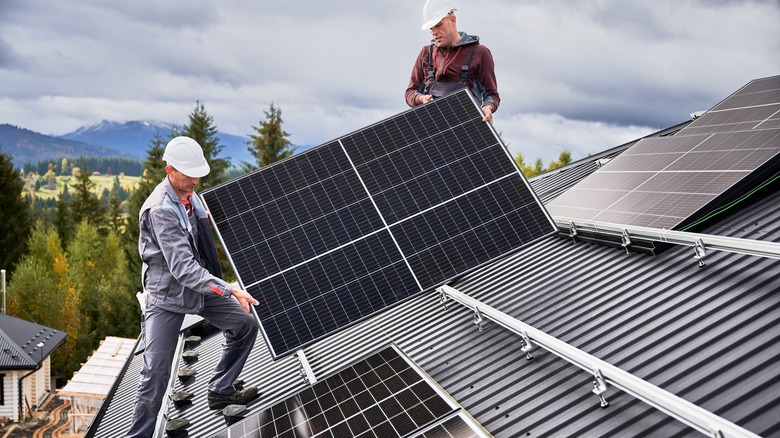
Thailand receives strong sunshine for most of the year, and many homeowners now look to rooftop panels to cut rising electricity bills. Yet the panels themselves are only part of the picture. The quality of your solar installation decides how much of that sunlight turns into usable power, and for how long.
A poorly fitted system can underperform, damage your roof or create real safety risks. Professional installers bring the training, tools and local knowledge needed to avoid these problems from day one.
Before you sign any agreement, understand what good solar installation involves. The sections below explain why expert work protects both your home and your investment.
Built for Thailand’s Climate
Thai weather is tough on rooftop equipment. Temperatures regularly pass 35°C, humidity stays high, and the monsoon season brings heavy rain and strong winds from roughly May to October.
Trained installers account for these conditions. They use corrosion-resistant mounting rails, seal every roof penetration to stop leaks and secure panels to withstand storm gusts. They also leave enough space under the panels for airflow, since heat reduces output. Correct tilt and orientation, usually facing south in Thailand, help capture the most sunlight across the year.
Safety and Electrical Standards
Solar panels produce direct current at high voltage. Faulty wiring can cause electric shocks, overheating or fire. Professionals follow national electrical standards, fit proper circuit breakers and surge protection, and earth the system correctly. This matters in Thailand, where frequent tropical thunderstorms raise the risk of lightning damage.
Ask your installer to show you the wiring diagram and explain each safety device before work begins.
Permits and Grid Connection
Most grid-connected systems in Thailand need approval before they go live. Depending on system size and location, you may need a building permit from your local administration, a notification to the Energy Regulatory Commission and approval from your provincial or metropolitan electricity authority. If you plan to sell surplus power back to the grid under the residential solar scheme, you must meet further technical requirements.
Experienced installers prepare the paperwork, arrange inspections and confirm your inverter appears on the approved equipment list. Skipping these steps can delay connection or affect your eligibility.
Correct System Sizing
A system that is too large wastes money. One that is too small leaves you paying high bills. Professionals review your past electricity usage, check roof strength and shading, and recommend a size that matches your daily consumption. Many Thai households use the most power during hot afternoons when air conditioners run, which suits solar generation well.
Long-Term Performance and Warranties
Quality panels can last 25 years or more, but only if the installation is sound. Many manufacturers honour product warranties only when certified technicians fit the equipment. Reputable installers also offer workmanship guarantees, monitoring setup and maintenance advice, such as cleaning dust and smoke residue from panels during the dry season.
Solar power offers Thai homeowners a practical way to lower energy costs and reduce reliance on the grid. Getting it right from the start protects your roof, your family and your savings. Compare several qualified installers, check their licences and past work, and ask clear questions before you commit.