

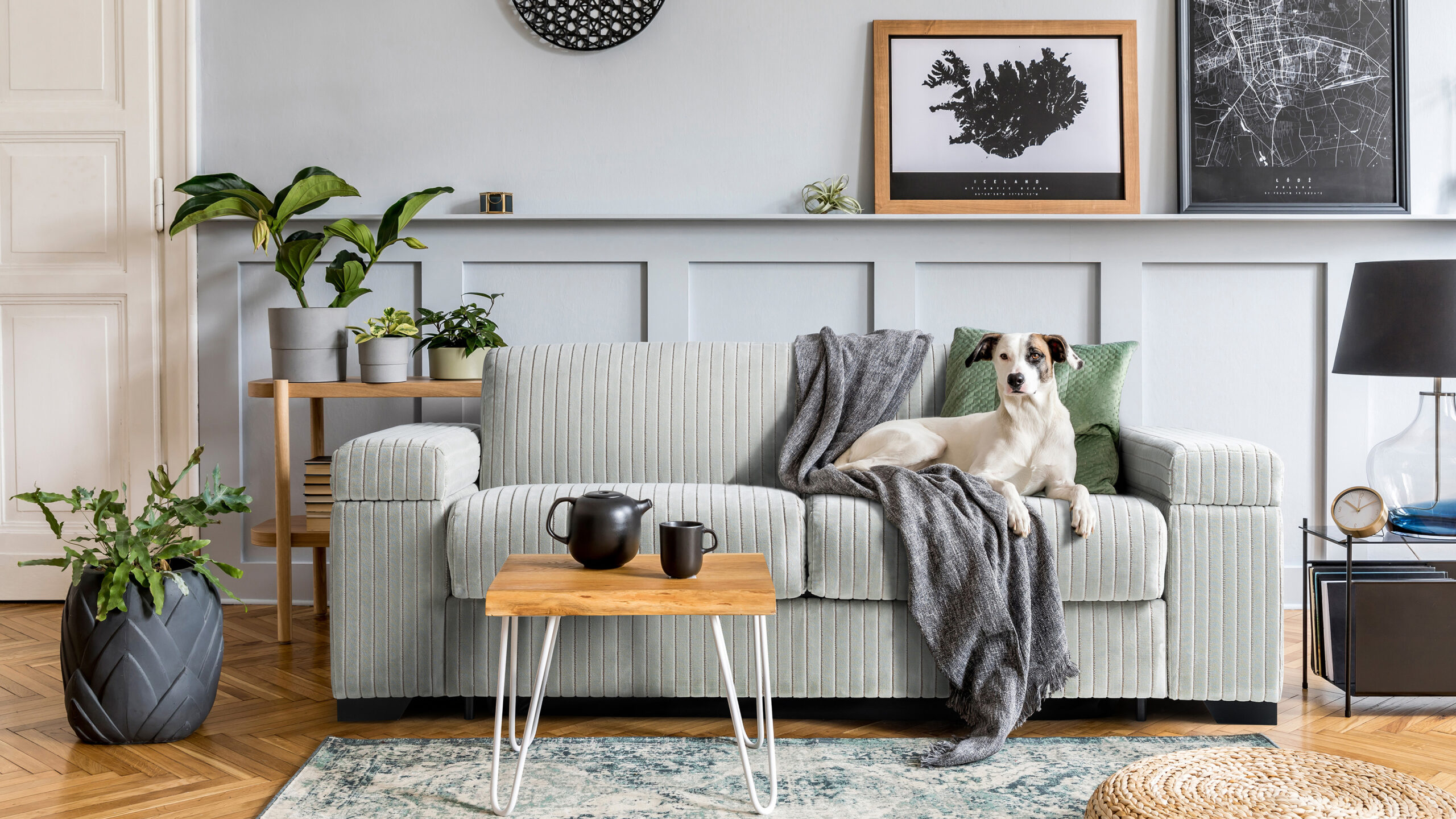
A well-styled home reflects both comfort and intention. Interior experts often rely on simple yet effective principles that make spaces feel balanced, welcoming, and visually refined. The good news is that many of these techniques are practical and affordable, making them easy to apply in homes of any size. With thoughtful adjustments, you can elevate everyday spaces without major renovations. 🏡
Start with a Clear Style Direction
Interior designers rarely decorate without a plan. Choosing a consistent theme helps create harmony throughout your home.
Common style directions include:
- modern minimal
- warm contemporary
- classic neutral
- natural-inspired interiors
- soft luxury styling
Selecting one main direction prevents visual clutter and keeps decisions easier.
Use the Rule of Three for Balanced Styling
Experts frequently group decorative items in sets of three because the arrangement feels natural and visually pleasing.
Try combining:
- a plant
- a candle
- a decorative object
This approach works well on shelves, coffee tables, and console surfaces.
Layer Lighting Instead of Relying on One Source
Professional interiors almost always include multiple lighting types to create depth and comfort.
Combine:
- ceiling lighting for overall brightness
- table lamps for warmth
- wall sconces for atmosphere
- accent lights for highlighting features
Layered lighting makes spaces feel intentional and welcoming. ✨
Choose a Neutral Base and Add Accents
Experts often begin with neutral tones before introducing personality through accessories.
Effective neutral foundations include:
- warm beige
- soft grey
- off-white
- muted taupe
Accent colors can then appear through cushions, artwork, or rugs without overwhelming the room.
Style with Natural Elements
Interior professionals frequently incorporate organic materials to soften structured interiors.
Popular natural additions:
- indoor plants 🌿
- wooden trays
- woven baskets
- linen fabrics
- stone or ceramic decor
Natural textures create warmth and visual comfort.
Keep Surfaces Partially Open
One common expert trick is avoiding overcrowded surfaces. Empty space helps highlight selected decor pieces.
Follow these surface styling tips:
- leave breathing room between objects
- avoid filling every corner
- highlight one focal item per area
- rotate seasonal decor occasionally
Intentional spacing creates a polished appearance.
Hang Curtains Higher for a Taller Look
Interior designers often mount curtain rods closer to the ceiling rather than directly above windows.
This technique:
- makes ceilings appear taller
- improves visual proportion
- enhances elegance
- increases perceived window size
It’s a small adjustment with a strong visual payoff.
Add Texture Instead of More Color
Experts frequently layer textures rather than introducing too many colors.
Effective texture combinations include:
- cotton with linen
- wood with metal accents
- glass with ceramics
- woven fabrics with smooth finishes
Texture adds richness while maintaining visual balance.
Incorporate Statement Pieces Carefully
Every professionally styled room usually includes one standout feature that anchors the space.
Examples include:
- oversized artwork
- sculptural lighting
- accent chairs
- patterned rugs
A single focal piece prevents rooms from feeling busy or scattered.
Refresh Entryways First
Interior experts often start styling improvements at the entrance because it sets the tone for the entire home.
Simple upgrades include:
- a slim console table
- a mirror for brightness
- a decorative tray for essentials
- a small plant or vase
Even small entryways benefit from thoughtful styling.
Use Mirrors to Amplify Light and Space
Mirrors remain one of the most recommended styling tools among professionals.
Best placements include:
- opposite windows
- along narrow hallways
- above console tables
- near dining areas
Mirrors enhance brightness and make interiors feel more open.
Maintain Visual Consistency Between Rooms
Experts ensure smooth transitions between spaces by repeating materials, colors, or shapes throughout the home.
Consistency can be achieved by:
- repeating accent tones
- matching hardware finishes
- using similar textures
- maintaining lighting warmth levels
This creates a cohesive and intentional environment.
FAQs About Expert Home Styling Techniques
1. What is the first step professionals take when styling a room?
They usually define a color palette and layout plan before selecting decor elements.
2. How many decorative items should be placed on a coffee table?
Typically three to five carefully grouped pieces create balance without clutter.
3. Do interior experts recommend mixing furniture styles?
Yes. Mixing styles adds personality when colors and proportions remain coordinated.
4. How often should home styling be refreshed?
Seasonal adjustments to textiles and accessories help keep interiors feeling updated.
5. Is symmetry necessary for professional-looking interiors?
Not always. Balanced asymmetry often creates a more natural and modern appearance.
6. Can artwork improve the overall styling of a space?
Yes. Artwork introduces personality and often serves as a focal point in professionally styled rooms.
7. What is the most overlooked styling detail in homes?
Lighting placement is frequently underestimated but has one of the biggest visual impacts.