

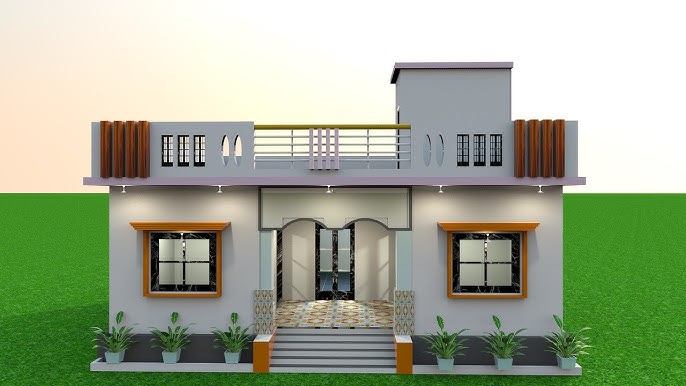
Creating a home environment that supports focus, energy, and clarity can dramatically improve how efficiently you work, study, and manage daily responsibilities. Thoughtful design choices influence mood, reduce distractions, and help your brain stay engaged longer. The right setup doesn’t require a complete renovation—small adjustments can produce meaningful results. ✨
Why Home Design Affects Productivity
Your surroundings shape how your brain processes information. Lighting, noise levels, layout, color, and even furniture positioning influence attention span and mental stamina. A well-designed space:
- reduces mental fatigue
- improves organization
- supports better posture
- increases motivation
- encourages consistent routines
Designing intentionally helps your environment work with you instead of against you.
Choose a Dedicated Work Zone
Even in small homes, defining a specific area for productive activity improves focus dramatically.
Helpful strategies include:
- placing a desk near a window or wall instead of high-traffic zones
- avoiding working from the bed or couch regularly
- using rugs, shelving, or lighting to visually separate spaces
- keeping only essential items within reach
Your brain associates location with behavior. A consistent workspace strengthens concentration habits over time.
Prioritize Natural Light Whenever Possible
Natural light supports alertness and stabilizes energy levels throughout the day. It also reduces eye strain compared to artificial lighting.
Position your workspace:
- beside a window
- facing daylight rather than turning your back toward it
- away from glare reflections on screens
If natural light is limited, combine warm ambient lighting with a focused desk lamp to maintain clarity without harsh contrast.
Use Color Psychology to Support Focus
Color subtly influences mood and productivity levels. Choosing the right palette can enhance mental performance.
Recommended colors include:
- Soft blue: encourages calm concentration
- Muted green: reduces eye fatigue
- Warm neutrals: maintain balance and comfort
- Light earthy tones: promote grounded thinking
Avoid overly bright reds or deep dark shades in primary work areas, as they may increase restlessness.
Reduce Visual Clutter for Mental Clarity
A cluttered environment creates cognitive overload. When your eyes process too many objects, your brain works harder than necessary.
Try these decluttering habits:
- keep only daily-use items on the desk
- store cables and accessories neatly
- limit decorative objects to a few meaningful pieces
- use vertical storage instead of spreading items horizontally
Less visual noise equals sharper thinking. 🧠
Invest in Ergonomic Furniture
Comfort supports endurance. Poor posture leads to fatigue, headaches, and reduced concentration after only short periods.
Look for:
- adjustable chair height
- supportive backrest alignment
- desk height matching elbow level
- monitor positioned at eye level
Even small ergonomic improvements can significantly increase working efficiency.
Introduce Indoor Plants for Cognitive Boost
Plants improve both air quality and mental freshness. Natural elements reduce stress and enhance sustained attention.
Great low-maintenance options include:
- snake plant
- pothos
- peace lily
- areca palm
Greenery also adds visual softness that balances structured workspaces. 🌿
Control Noise Levels Strategically
Noise management is one of the most overlooked productivity factors at home.
Helpful adjustments include:
- adding curtains or rugs to absorb sound
- using bookshelves as natural sound buffers
- choosing quieter corners of the house
- introducing soft background instrumental audio if needed
Balanced sound environments support deeper concentration sessions.
Keep Technology Organized and Intentional
Technology should support your workflow—not interrupt it constantly.
Improve your setup by:
- hiding unused cables
- keeping chargers accessible but tidy
- limiting notifications during work hours
- using a single charging station
Intentional tech placement reduces distraction loops and improves task completion speed.
Add Personal Motivation Elements
A productive space should feel encouraging rather than sterile.
Consider including:
- a small vision board
- framed goals or reminders
- one inspiring artwork
- a meaningful quote
Personal touches create emotional connection with your workspace and increase consistency.
Optimize Airflow and Temperature Comfort
Fresh air supports alertness and prevents midday sluggishness.
Improve circulation by:
- opening windows regularly
- positioning fans for airflow movement
- avoiding overheated enclosed corners
- keeping indoor temperature moderate
Comfortable environments help maintain longer focus sessions naturally.
Create Flexible Multi-Purpose Zones
Modern homes benefit from adaptable layouts. Productivity improves when spaces can shift according to activity type.
Examples include:
- foldable desks for compact rooms
- movable chairs between reading and working areas
- wall-mounted shelves for adjustable storage
- modular lighting setups
Flexibility prevents monotony and supports different thinking modes throughout the day.
Maintain a Consistent Reset Routine
Design alone isn’t enough—maintenance sustains productivity benefits.
End each day by:
- clearing your desk
- organizing papers
- charging devices
- preparing tomorrow’s essentials
A reset routine helps you begin each morning with clarity and momentum.
FAQs About Home Design and Productivity
1. What is the best location for a productive workspace at home?
Choose a quiet area with natural light and minimal interruptions. Corners near windows often work best.
2. Can small homes still support productive layouts?
Yes. Even a compact desk with defined boundaries can create strong mental separation between work and relaxation zones.
3. Does lighting really affect concentration levels?
Yes. Balanced lighting reduces eye strain, stabilizes energy, and improves sustained attention.
4. How often should a workspace be reorganized?
A weekly reset helps maintain efficiency, while small daily adjustments keep clutter from building up.
5. Are indoor plants necessary for productivity improvements?
They are not essential, but they help reduce stress and enhance visual comfort significantly.
6. Which furniture upgrade improves productivity the most?
An ergonomic chair typically produces the biggest improvement because posture directly affects stamina and focus.
7. How can shared homes maintain individual productivity zones?
Use visual dividers like rugs, shelves, or lighting differences to create personal boundaries within shared rooms.
