

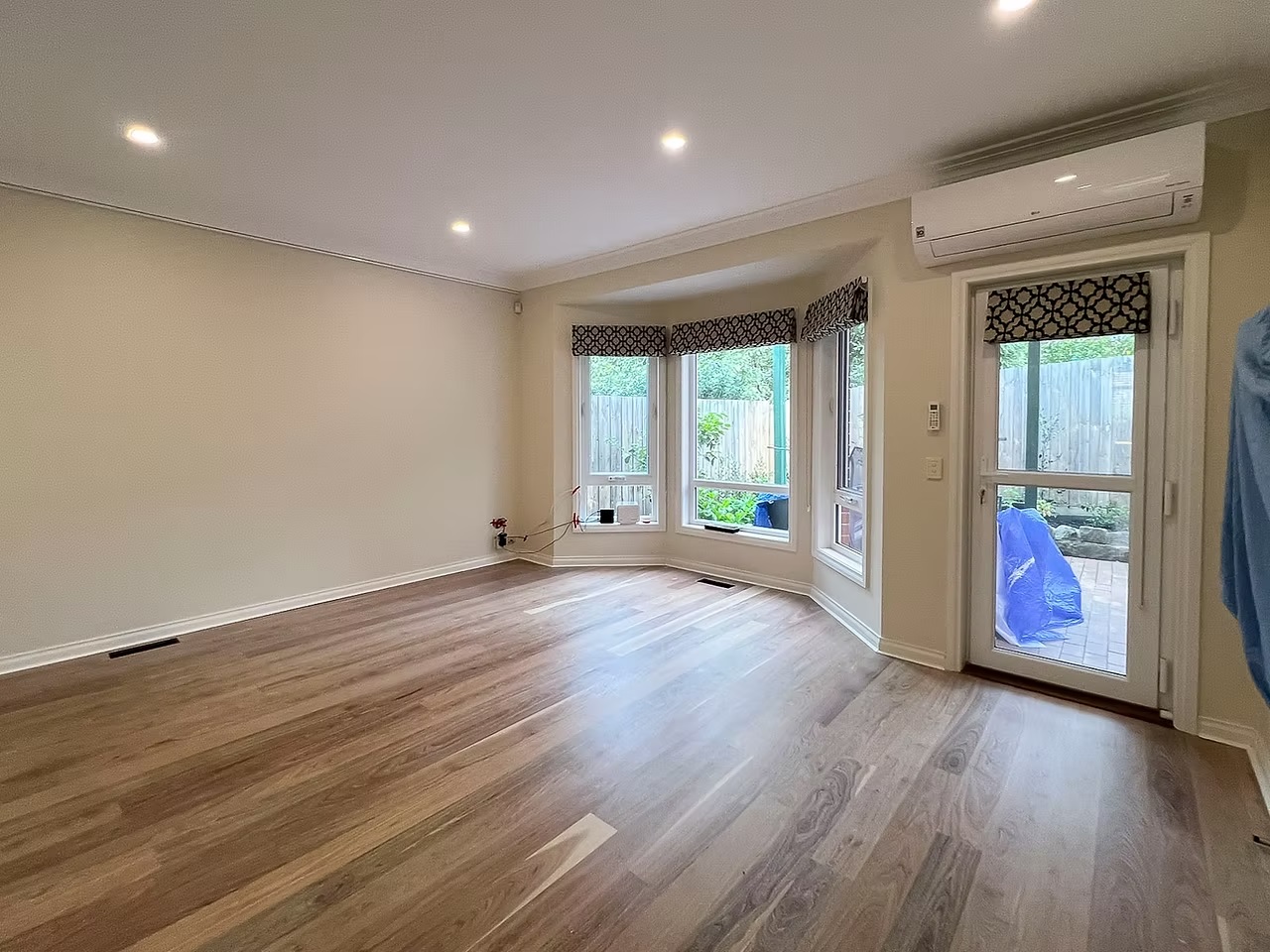
Australian hardwoods are often chosen because of their natural colour and character, but that doesn’t mean the original tone will suit every interior. Blackbutt, Brushbox, Spotted Gum and other species can contain strong colour variations, darker sections and noticeable differences between individual boards.
Wood bleaching gives homeowners, designers and flooring professionals another option when the aim is a lighter floor without simply hiding the timber beneath an opaque coating. People searching for litenit stockists are often dealing with exactly this type of project, particularly when an existing hardwood floor feels too dark for a renovated interior.
Bleaching changes colour without disguising the timber
Wood bleach isn’t the same as applying a pale stain or painting the floor.
Instead of adding another colour over the surface, a bleaching system reduces the natural colour within bare timber. The grain, growth patterns and individual characteristics of the boards remain visible, but the overall floor takes on a lighter appearance.
This can make quite a dramatic difference to darker Australian hardwoods. Strong reds, browns and yellow tones may become much softer, which changes how the floor sits alongside walls, cabinetry, furniture and natural light.
It doesn’t turn every species into the same pale timber, though. The starting wood still matters.
Different boards won’t necessarily become identical
Natural timber varies. Even boards from the same species can differ noticeably in colour before any treatment is applied.
Bleaching can reduce those differences and create a lighter, calmer overall appearance, but it shouldn’t be viewed as a way of manufacturing a completely uniform floor. Grain patterns, knots and natural variation remain part of the finished surface.
That is often one of the reasons people choose bleaching in the first place. Instead of covering the timber with a heavily pigmented finish, it allows much of its original detail to stay visible.
On floors containing mixed timber or replacement boards, bleaching may also help reduce obvious colour differences between old and new sections. A sample area is useful here because the individual boards may respond differently.
Australian hardwoods can change considerably
Dense Australian timbers often have strong natural colouring, so the difference before and after bleaching can be particularly noticeable.
Eurostyle Floors has used LiteniT on timbers including Blackbutt, Brushbox and Spotted Gum. Their examples show that bleaching doesn’t simply make a floor look white. The result depends on the timber underneath, with each species retaining its own grain and some of its natural character after the stronger colour has been reduced.
That makes sampling especially important if you have a particular finished look in mind. Looking at a small section of your own floor is far more useful than assuming it will match a photograph of another project.
The floor needs to be properly prepared
Wood bleaching products are intended to treat the timber itself, so existing coatings need to be removed first. On an established floor, that generally means sanding it back to clean, bare wood before the bleaching process begins.
LiteniT uses a two-part liquid system and is designed for use on raw timber. Once the required bleaching process has been completed, the floor can then move on to the appropriate finishing stages.
This gives you much greater control when renovating a dark hardwood floor. Rather than replacing good timber simply because its original colour no longer suits the room, bleaching allows the existing boards to become part of a noticeably lighter interior while keeping the grain and natural variation that made timber flooring appealing in the first place.