

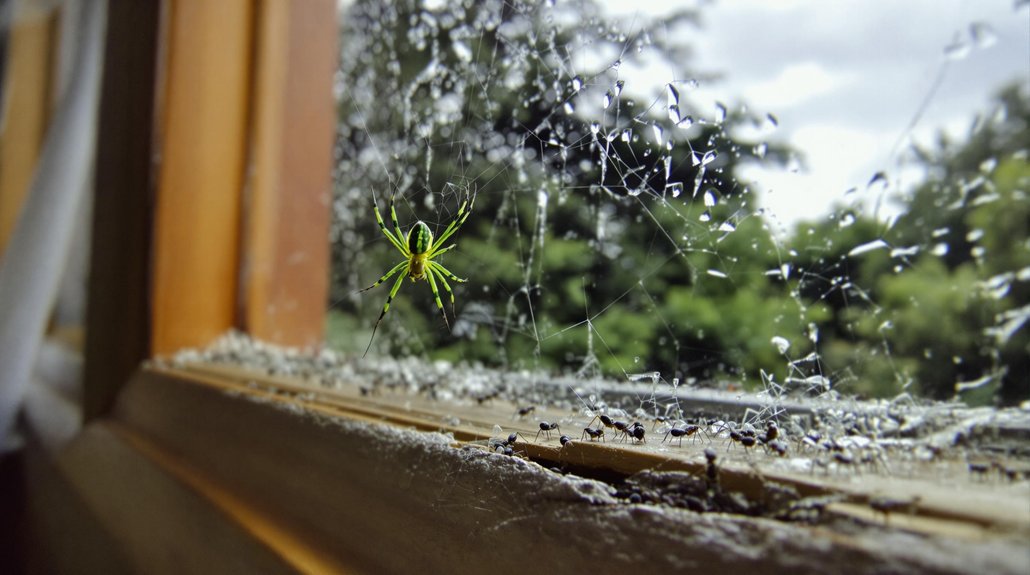
Weather has a significant impact on the behavior, movement, and breeding cycles of pests. Changes in temperature, humidity, and rainfall determine when insects and rodents become active and where they seek shelter. Understanding how different weather conditions affect pest populations allows homeowners and business owners to prepare before infestations occur.
Many people assume pests are only a problem during warm months, but every season presents unique challenges. Some pests thrive in hot weather, while others move indoors during colder temperatures. A year-round prevention strategy is the best way to reduce risks and maintain a comfortable living or working environment.
Warm Weather Encourages Pest Activity
As temperatures rise, many insects become more active because warm conditions support feeding and reproduction.
Common pests seen during warmer months include:
- Ants
- Mosquitoes
- Flies
- Wasps
- Cockroaches
- Termites
Higher temperatures often speed up breeding cycles, causing pest populations to grow quickly if preventive measures are not taken.
Rainfall Creates Ideal Breeding Conditions
Rain is beneficial for plants, but it also creates favorable environments for many pests.
Heavy rainfall can lead to:
- Standing water that attracts mosquitoes
- Increased moisture around foundations
- Damp soil that supports insects
- Overflowing gutters
- Water accumulation in outdoor containers
Removing standing water after rain helps reduce mosquito breeding and minimizes moisture-related pest issues.
Dry Weather Can Also Attract Pests
Periods of drought often force pests to search for food and water inside homes and commercial buildings.
During dry conditions, pests may enter buildings looking for:
- Drinking water
- Food supplies
- Cool indoor temperatures
- Shaded nesting areas
Maintaining proper sanitation and fixing plumbing leaks helps prevent pests from finding the resources they need indoors.
Cold Temperatures Drive Pests Inside
When outdoor temperatures drop, many pests seek warm places to survive.
Common winter invaders include:
- Mice
- Rats
- Spiders
- Cockroaches
- Silverfish
They often enter through small cracks, damaged vents, or gaps around doors and windows.
Sealing these openings before winter begins can significantly reduce indoor pest activity.
Humidity Supports Many Insects
High humidity creates conditions that many insects require to survive.
Moist environments often attract:
- Cockroaches
- Silverfish
- Termites
- Earwigs
- Mold-feeding insects
Improving ventilation and controlling indoor humidity helps discourage these pests.
Seasonal Pest Prevention
Each season requires a different approach to protecting your property.
Spring
Spring is the time when many insects become active after winter.
Recommended tasks include:
- Inspect for termite activity.
- Repair damaged screens.
- Seal foundation cracks.
- Remove standing water.
Summer
Hot weather increases insect populations.
Helpful maintenance includes:
- Keep outdoor trash covered.
- Clean outdoor dining areas.
- Trim vegetation.
- Inspect doors and windows.
Autumn
Many pests begin searching for warm shelter.
Prepare by:
- Sealing entry points.
- Cleaning gutters.
- Removing yard debris.
- Storing firewood away from buildings.
Winter
Indoor monitoring becomes especially important.
Focus on:
- Inspecting attics
- Monitoring storage areas
- Checking for rodent activity
- Repairing damaged insulation
Following seasonal routines reduces the likelihood of unexpected infestations.
Weather and Food Availability
Changing weather conditions also influence the availability of natural food sources for pests.
When outdoor food becomes scarce, pests may move indoors in search of:
- Stored grains
- Pet food
- Household garbage
- Pantry items
- Fruits and vegetables
Keeping food properly stored reduces the chances of attracting unwanted visitors.
Landscaping and Weather Protection
Well-maintained landscaping helps reduce weather-related pest problems.
Useful practices include:
- Keep shrubs trimmed.
- Improve drainage around the property.
- Remove fallen branches.
- Clear gutters after storms.
- Eliminate standing water.
- Maintain healthy lawns.
Outdoor maintenance reduces shelter opportunities for insects and rodents.
Benefits of Monitoring Weather Patterns
Paying attention to seasonal weather changes allows property owners to anticipate pest activity before it becomes severe.
Benefits include:
- Earlier detection
- Reduced infestation risks
- Lower repair costs
- Better property maintenance
- Improved indoor hygiene
- Greater comfort throughout the year
Preventive action is always easier than dealing with a widespread infestation.
Building a Year-Round Prevention Plan
An effective prevention strategy should combine regular inspections with seasonal maintenance.
A practical plan includes:
- Routine property inspections
- Moisture management
- Food storage improvements
- Waste management
- Landscape maintenance
- Sealing entry points
- Ongoing observation for warning signs
These habits help minimize pest activity regardless of changing weather conditions.
Conclusion
Weather plays a major role in determining when and where pests become active. Warm temperatures, rainfall, humidity, drought, and cold weather all influence pest behavior in different ways. By understanding these seasonal patterns and preparing your property accordingly, you can greatly reduce the chances of infestations. Consistent maintenance, proper sanitation, and regular inspections form the foundation of effective pest control, helping protect homes and businesses from unnecessary damage while creating a cleaner, healthier, and more comfortable environment throughout the year.