

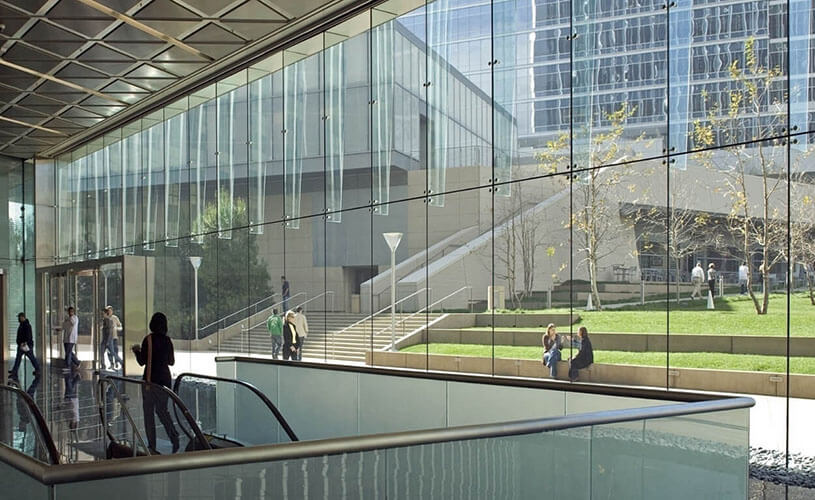
Natural light is one of the most powerful elements in architectural design. Beyond improving visibility, it shapes spatial perception, enhances comfort, reduces energy consumption, and supports healthier living environments. When carefully integrated into building planning, daylight becomes both a functional and aesthetic asset that transforms how people experience spaces. 🌞
Architects increasingly prioritize natural lighting strategies to create homes and buildings that feel open, efficient, and connected to the environment.
Enhancing Spatial Experience Through Daylight
Natural light influences how people perceive the size, depth, and atmosphere of a space.
Well-lit interiors typically appear:
- More spacious
- More welcoming
- Visually balanced
- Emotionally uplifting
Large openings, clerestory windows, skylights, and light wells help distribute daylight deeper into interior areas. This reduces reliance on artificial lighting while improving overall spatial quality.
Strategic daylight entry also highlights textures, materials, and architectural details that might otherwise go unnoticed.
Improving Energy Efficiency in Buildings
One of the most practical benefits of natural light is its contribution to energy savings.
Effective daylight planning helps reduce:
- Electricity consumption during daytime
- Cooling loads when managed correctly
- Long-term operational costs
Architectural elements such as shading devices, window orientation, and reflective surfaces help regulate sunlight intensity without sacrificing brightness.
Energy-conscious buildings use daylight as a primary design tool rather than a secondary feature.
Supporting Health and Well-Being
Exposure to natural light plays a critical role in physical and mental wellness.
Daylit environments support:
- Better sleep cycles
- Improved mood stability
- Higher productivity levels
- Reduced eye strain
Spaces like bedrooms, study areas, kitchens, and living rooms benefit significantly from controlled daylight exposure. Access to natural light encourages healthier daily routines and improves indoor comfort. 🌿
Strengthening Visual Comfort Indoors
Architectural lighting is not only about brightness but also about balance.
Proper daylight design prevents:
- Harsh glare
- Deep shadows
- Uneven illumination
- Visual fatigue
Techniques such as window placement at appropriate heights and the use of diffused glazing materials help maintain consistent indoor lighting conditions throughout the day.
Balanced illumination improves usability across residential and work environments alike.
Creating Strong Indoor–Outdoor Connections
Natural light strengthens the relationship between built spaces and the surrounding environment.
Design approaches that enhance this connection include:
- Floor-to-ceiling windows
- Courtyards and atriums
- Verandas and balconies
- Transitional semi-open spaces
These features allow occupants to remain visually connected with outdoor landscapes while enjoying indoor comfort. This connection improves both psychological well-being and architectural harmony. 🌳
Highlighting Architectural Form and Materials
Daylight reveals the true character of architectural elements.
Natural lighting enhances:
- Surface textures
- Structural geometry
- Color tones
- Interior finishes
Unlike artificial lighting, daylight changes throughout the day, adding movement and variation to interior spaces. This dynamic quality enriches architectural expression without additional cost or complexity.
Supporting Sustainable Design Principles
Sustainability begins with thoughtful environmental integration.
Daylight-responsive architecture contributes to:
- Reduced carbon footprint
- Lower artificial lighting dependence
- Improved passive thermal performance
- Better occupant satisfaction
When paired with shading systems, insulation strategies, and ventilation planning, daylight becomes part of a larger sustainable building framework.
Increasing Property Value and Appeal
Homes designed with abundant natural light often attract greater long-term value.
Buyers and occupants typically prefer:
- Bright interiors
- Airy layouts
- Open visual connections
- Energy-efficient features
Daylight-friendly architecture enhances both market desirability and everyday living experience.
Improving Productivity in Residential and Work Spaces
Natural lighting supports concentration and performance in activity-focused environments.
Well-lit interiors benefit:
- Home offices
- Study rooms
- Creative spaces
- Kitchens
Daylight exposure helps maintain alertness and reduces dependence on artificial lighting during working hours. As a result, occupants experience improved efficiency and comfort. ✨
Integrating Climate-Responsive Lighting Strategies
Effective daylight design varies depending on regional climate conditions.
Architectural responses may include:
- Shaded openings in hot climates
- South-facing glazing in colder regions
- Deep overhangs for solar control
- Courtyard-based lighting solutions in dense layouts
Climate-responsive planning ensures daylight enhances comfort instead of creating overheating or glare problems.
FAQs About the Role of Natural Light in Architecture
1. What is daylight factor in architectural design?
Daylight factor measures how much natural light reaches an indoor space compared to outdoor light levels, helping designers evaluate lighting performance.
2. How do skylights differ from traditional windows in daylight performance?
Skylights capture overhead sunlight, allowing deeper and more uniform illumination than vertical wall windows.
3. Can natural light reduce the need for artificial lighting completely?
Not entirely, but effective daylight planning can significantly reduce daytime dependence on artificial lighting.
4. What role do reflective interior surfaces play in daylight distribution?
Light-colored walls, ceilings, and floors help reflect daylight deeper into interior areas, improving brightness levels.
5. How does window height affect daylight penetration?
Higher window placement allows sunlight to travel farther into rooms, improving overall illumination balance.
6. Are courtyards effective sources of natural light in dense housing layouts?
Yes, courtyards introduce daylight into central zones that would otherwise remain dark in compact building footprints.
7. Can excessive natural light become a problem in architecture?
Yes, without shading strategies, excessive sunlight can create glare, overheating, and visual discomfort, making controlled daylight essential for balanced design.
