

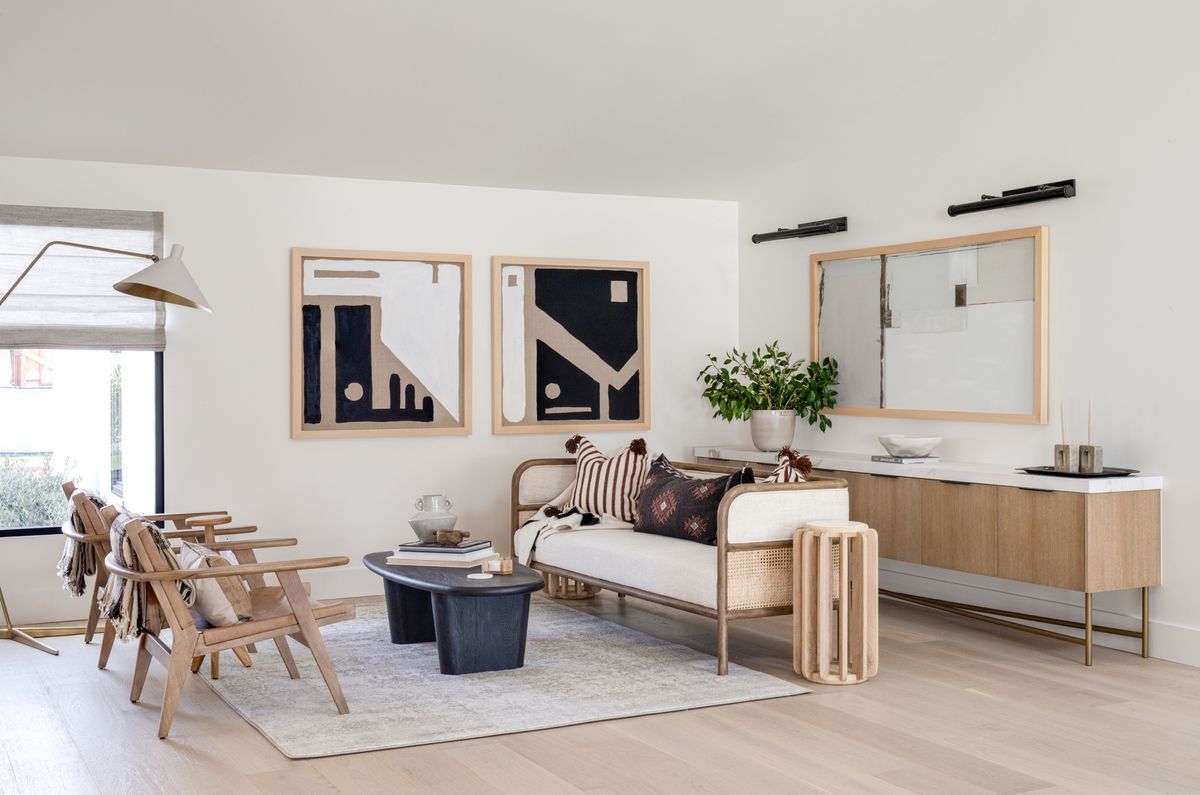
Lighting can completely transform a compact room. In small homes or apartments, the right lighting strategy not only improves visibility but also creates the illusion of openness, comfort, and depth. With thoughtful placement and smart fixture choices, even the smallest corners can feel brighter and more inviting. 💡
Use Layered Lighting Instead of One Central Fixture
Small rooms benefit greatly from multiple light sources rather than relying on a single ceiling light.
Effective layering includes:
- ambient lighting for overall brightness
- task lighting for focused activities
- accent lighting to highlight decor elements
Layering distributes light evenly and prevents harsh shadows that make spaces feel tighter.
Install Wall Sconces to Save Floor Space
Wall-mounted fixtures are ideal for compact interiors because they free up valuable surface and floor areas.
Best placements include:
- beside beds instead of table lamps
- along narrow hallways
- near reading corners
- above work desks
They add elegance while improving functionality without increasing clutter.
Place Mirrors Opposite Light Sources
Mirrors double the impact of available light and visually expand a room.
Smart mirror placement ideas:
- across from windows
- behind lamps
- near entryways
- above consoles
This simple adjustment enhances brightness without adding extra fixtures.
Choose Slim Pendant Lights for Vertical Interest
Pendant lights draw the eye upward, making ceilings appear higher and rooms feel more spacious.
Ideal uses include:
- over dining tables
- above bedside areas
- in compact kitchen corners
- near entry zones
Slim designs maintain openness while introducing a stylish focal point.
Add Under-Shelf and Under-Cabinet Lighting
Hidden lighting creates a clean and modern look while improving usability in tight spaces.
Popular options:
- kitchen cabinet underside lighting
- floating shelf LED strips
- wardrobe interior lighting
- study desk shelf lighting
These subtle additions improve visibility without overwhelming the room.
Use Warm Light to Create Depth and Comfort
Lighting tone influences how large or small a room feels.
Warm white lighting:
- softens edges
- reduces visual harshness
- enhances relaxation
- creates layered shadows that add depth
Cool lighting can sometimes make small rooms feel flat and less welcoming.
Try Corner Floor Lamps for Soft Illumination
Corners are often underused in small rooms. A slim floor lamp can brighten these spaces without crowding them.
Benefits include:
- improved brightness distribution
- reduced dark zones
- enhanced vertical dimension
- added decorative appeal
Corner lighting helps balance the entire room visually.
Highlight Walls with Accent Lighting
Accent lighting draws attention away from limited floor space and toward vertical surfaces.
Creative accent ideas include:
- picture lights above artwork
- LED strips behind headboards
- spotlighting textured walls
- lighting indoor plants 🌿
These techniques add depth and personality without consuming extra room.
Use Multi-Functional Lighting Fixtures
Compact homes benefit most from fixtures that serve more than one purpose.
Examples include:
- mirrors with built-in lights
- shelves with integrated LEDs
- ceiling fans with lighting features
- bedside lamps with charging ports
Multi-purpose lighting reduces clutter while improving usability.
Choose Transparent or Minimal Fixtures
Heavy fixtures can visually shrink a small room. Lightweight designs maintain openness.
Better choices include:
- glass pendant lights
- slim metal frames
- minimalist sconces
- open-structure lamps
These styles brighten the space without dominating it.
Add LED Strip Lighting for Hidden Brightness
LED strips provide subtle illumination that enhances room depth without visible fixtures.
Effective placements include:
- behind TVs
- under beds
- along ceiling edges
- inside display shelves
Indirect lighting creates a soft glow that makes compact interiors feel more spacious.
FAQs About Lighting Small Spaces
1. What type of lighting makes a small room look bigger?
Layered lighting combined with mirrors and indirect LED strips helps expand the visual perception of space.
2. Are ceiling lights enough for small rooms?
No. Combining ceiling lights with wall and accent lighting produces better balance and reduces shadowed areas.
3. Can lighting affect the mood of a small space?
Yes. Warm lighting creates comfort, while balanced layered lighting improves both energy and relaxation.
4. Is natural light important in compact interiors?
Natural light is one of the most effective ways to make a small space feel open and refreshing.
5. Should small rooms avoid decorative lighting fixtures?
Not at all. Choosing slim or transparent decorative fixtures adds personality without overwhelming the space.
6. Where should lighting be placed in narrow rooms?
Use wall sconces, corner lamps, and ceiling-edge lighting to distribute brightness evenly along the length of the room.
7. Are smart lighting systems useful for small homes?
Yes. Adjustable brightness and color settings allow one space to serve multiple purposes throughout the day.
